Gaming Strategy: 15 Years of Moving from PC to Living Room
"The screen used to be a window we looked into; now, the game is the world we live in."
The transition from a tactical squad-based shooter on a desktop to a cinematic experience on a television marks a massive shift in how we define "gaming." This evolution wasn't an accident; it was a calculated move toward transmedia dominance.
* The Transmedia Shift: Tactical shooters moved from niche PC entertainment to mass-market media content. * Platform Agnosticism: Maintaining core gameplay identity while scaling across different viewing environments is vital. * Marketing as Content: High-production-value media serves as both a marketing tool and a standalone engagement driver. * Legacy of Longevity: The foundations laid in the late 2000s allowed for successful expansion into diverse media landscapes.

How did a 2007 tactical shooter become a media powerhouse?
The hum of a cooling fan fills a darkened room in 2007 as a player clicks a mouse, initiating a high-stakes tactical engagement. At 9:00 PM on a Tuesday, the only light comes from a flickering 19-inch CRT monitor.
This era defined the squad-based combat mechanics that would eventually move from the desk to the living room.
The tactical shooter genre relies on precision, but its true power lies in its ability to be watched. Unlike complex RPGs where players spend hours managing inventories, tactical shooters offer immediate, visual feedback. This "spectator-friendly" nature is the secret sauce.
When the action is clear—a flash of a muzzle, a tactical maneuver, a sudden victory—it translates perfectly to a broadcast.
The shift wasn't just about better graphics; it was about the transition from "playing a game" to "consuming a gaming experience." In the early days, players were the sole audience.
As the genre matured, the community began producing its own broadcasts, turning solo play into a communal viewing event. This community-driven content fueled the initial expansion, proving that people wanted to watch the tactical dance as much as they wanted to perform it.
The question remains: can a game built for the mouse and keyboard survive the transition to the much larger, more passive screen of a television?
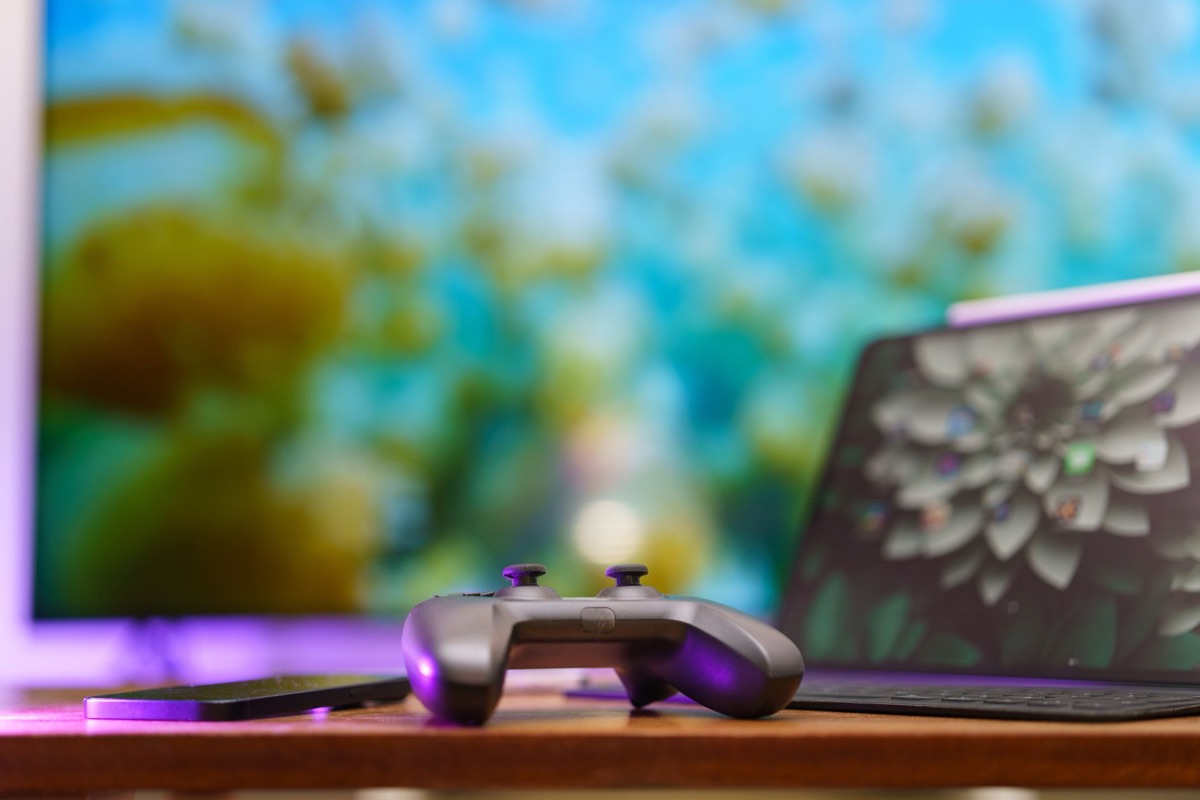
The mechanics of platform expansion: From PC to the living room
A living room setup in 2011 features a massive flat-screen TV, where the colors are vibrant and the shadows are deep. At 8:30 PM on a Friday, a group of friends sits on a velvet couch, eyes glued to a 55-inch display.
The player realizes that the tactical precision they mastered on a small monitor must now look epic on a much larger screen.
Moving high-fidelity tactical gameplay to broadcast-ready formats requires a delicate balance. The technical requirements for a PC-native game are often much higher than what a casual viewer can process. To bridge the gap, developers had to focus on visual storytelling.
This means the game must look "cinematic" even when the player is just running through a corridor.
The relationship between PC-native mechanics and TV-centric audiences is found in the UI/UX design. If a game's interface is too cluttered with tiny text and complex menus, a viewer watching on a couch will lose interest.
Successful tactical shooters use clean, bold visual elements that make the combat digestible for non-players. This ensures that even someone who has never touched a controller can understand the stakes of the match.
The goal is to take the complex decision-making of a tactical shooter and present it as a clear, visual narrative.
Content Fusion: When Gaming Meets Professional Production
The bright lights of a film set reflect off the lens of a professional camera, capturing a scripted sequence that feels indistinguishable from a Hollywood production. On a Tuesday afternoon in 2011, a film crew works on a soundstage to capture high-octane action.
This is the intersection where gaming meets professional media.
The influence of high-budget marketing cannot be overstated. We have seen instances where the lines between game development and film production blur. For example, in 2011, Freddie Wong produced, co-directed, and acted in a TV commercial for Battlefield 3 at the request of Electronic Arts.
This wasn't just an advertisement; it was a piece of high-end content that treated the game as a cinematic universe.
When professional production values—directing, acting, and cinematography—are applied to gaming, the product's status rises.
It moves from being mere "software" to becoming a "lifestyle brand." By using cinematic trailers and TV-style storytelling, developers build "lore" that exists outside the game client. This creates a world that players want to inhabit and viewers want to watch.
High-quality visual assets ensure that the brand is globally recognizable, whether it's on a smartphone or a massive LED wall.
This fusion turns a simple product into an immersive world.
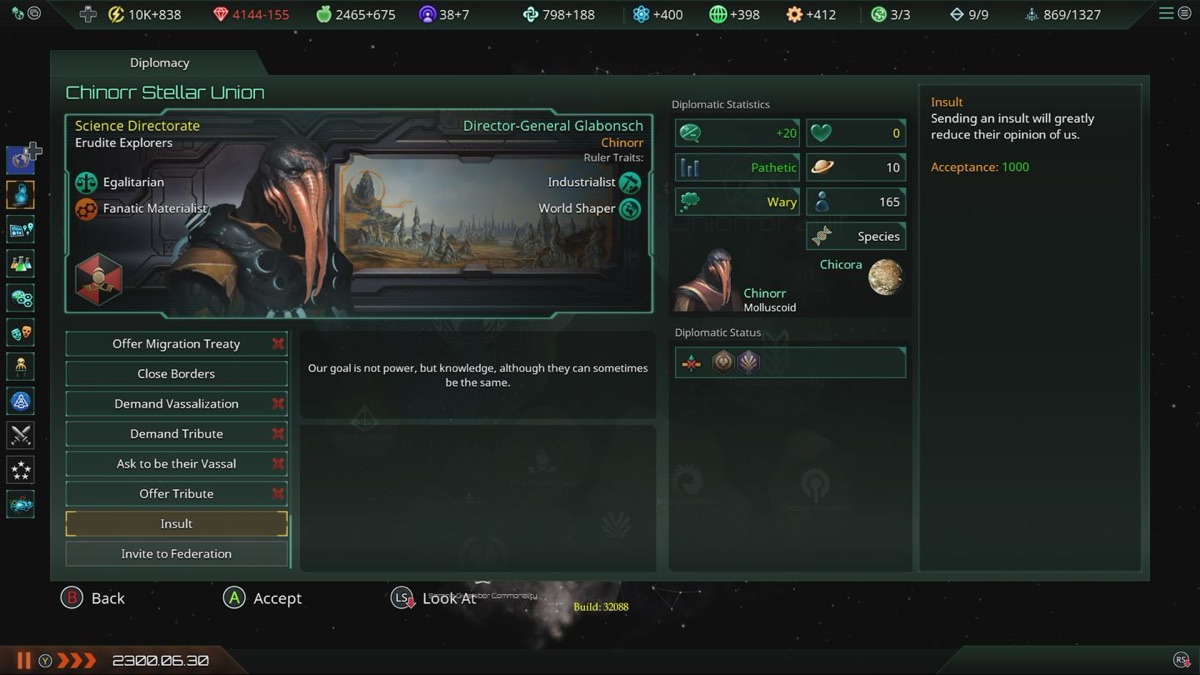
The Strategic Role of Genre and Platform in Longevity
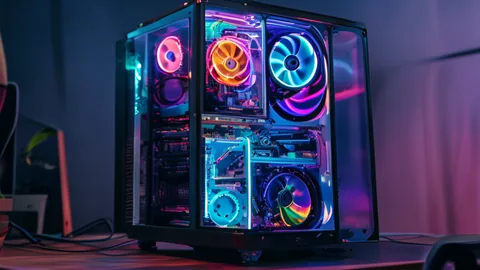
An empty gaming chair sits in a quiet room, but the digital world within the machine remains as vibrant and competitive as ever. At 2:00 AM, the only sound is the rhythmic tap of mechanical keys. The tactical shooter's DNA is built for the long haul.
The technical DNA of tactical shooters—focusing on reflexes, teamwork, and positioning—remains a staple because these elements are timeless. The PC platform serves as the "engine" for this competitive integrity. Because the PC allows for the highest level of precision, it becomes the proving ground.
The best players emerge from the PC environment, and their feats become the content that feeds the broader media landscape.
The core gameplay loop—the cycle of combat, tactical decision, and result—is highly repeatable. This repeatability allows the genre to spin off into different formats, such as mobile versions or scripted web series.
The vision of the developer or publisher to maintain a stable, competitive environment is what prevents the genre from fading into obscurity.
The question is: how do these technical foundations shape the future of the entire industry?
Lessons for the Future of Gaming Media
A person puts on a sleek VR headset, and the room disappears, replaced by a tactical battlefield that feels physically present. At 7:00 PM, in a quiet living room, the user adjusts the straps and enters a new dimension. This is the next frontier of the transmedia journey.
The blueprint for modern storytelling is now clear: integrate gameplay, TV, and social media into a single ecosystem. The technical foundations laid in the 2007 era paved the way for the massive eSports and streaming-first titles we see today. The lesson learned is the necessity of balance.
A game must have "hardcore" mechanics to satisfy the players, but it also needs "broad" entertainment value to capture the casual viewer.
As we look toward the next step, the question of VR and AR becomes prominent. Will these technologies become the new "TV" for tactical gaming?
If the history of the genre is any indication, the answer lies in how well the technology can translate the human experience of combat into a visual spectacle. The goal is to make the player the protagonist and the viewer the witness.
The evolution from the desktop to the living room was just the beginning.
Comparison of Media Evolution
| Feature | Early PC Era (2007) | Modern Transmedia Era (Today) | |
|---|---|---|---|
| Primary Audience | Dedicated Gamers | Gamers + Casual Viewers | |
| ly | Visual Focus | High Frame Rates / Precision | Cinematic Visuals / Storytelling |
| Content Type | Gameplay Footage | Hybrid Content (Trailers/Vlogs/Shows) | |
| Platform Goal | Localized Play | Cross-Platform Engagement |
How to Navigate the Shift: A Step-by-Step Guide
- Identify the Core Loop: Determine if the game's mechanics can be understood by an outsider in 30 seconds.
- Prioritize Visual Clarity: Ensure the UI/UX is legible on large-scale displays.
- Build the Lore: Use high-production trailers to establish a world before the player even downloads the game.
- Leverage Community: Encourage user-generated content to bridge the gap between play and viewing.
#


Comments 0