Optimizing PS5 Game Performance: 7 Essential Settings Tips.
PS5's powerful hardware delivers excellent graphics and speed, but performance can vary significantly from game to game. Issues like screen tearing, frame drops, and input lag can negatively impact the experience. This article focuses on settings that are often overlooked when launching a game, providing practical tips to stabilize performance and enhance the overall gaming experience. All settings can be accessed directly within the PS5's internal menu and serve as a core checklist for optimizing game performance.
1. Graphics Mode Selection: Balancing Resolution and Performance
When a game starts, it's crucial to configure the balance between resolution and frame rate. In most games, a Resolution Mode (1080p or 2K) prioritizes visual clarity but may result in inconsistent frame rates. Conversely, a Performance Mode (60fps or 120fps) prioritizes frame stability, resulting in smoother motion. We recommend Performance Mode for action, shooting, and racing games, while a resolution-focused mode may be more suitable for adventure or travel-based titles.
2. Cache Memory Optimization: Monitor Internal Storage Usage
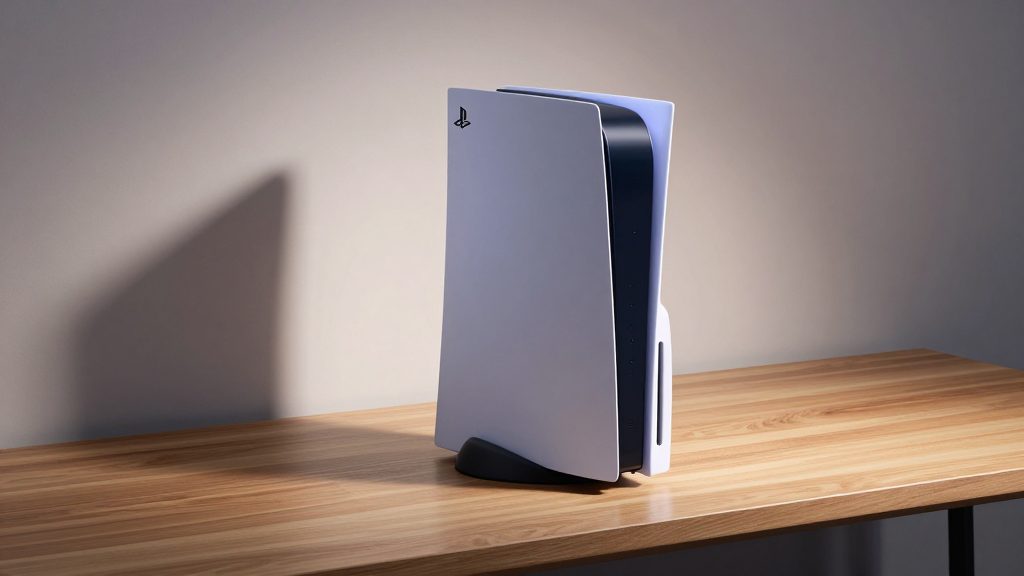
The PS5 automatically utilizes its high-speed cache memory (SSD-based) during gameplay, but performance can degrade if the internal storage is more than 90% full. We recommend keeping at least 15GB of free space after installing a game, and consider installing an external storage drive (via the expansion slot) if you frequently play demanding titles. Additionally, excessive accumulation of game cache files can be reduced by reinstalling the game or using the cache clearing function (available in the 'Other Settings' menu).
3. Minimize Audio and Background Noise: Reduce Input Lag
For Korean users, reducing the volume of in-game sound effects and background music to 30% or less can reduce the system's resource load. Activating high-quality sound reproduction increases CPU resources dedicated to audio processing, which can lead to increased input lag. If you experience delays in character commands or skill activation, try adjusting the audio settings as a quick solution.
4. Power Mode Settings: Prioritize Performance
In the PS5's power management settings, selecting "High-Performance Mode" ensures that the system operates at its maximum performance level while in use. This mode is automatically activated when an external power source is connected and is limited in Battery Mode (portable use). If the console automatically enters sleep mode or experiences screen flickering during gameplay, enable the "Disable Automatic Sleep Mode" setting. This setting is particularly important for multiplayer games or genres where real-time responsiveness is critical.
5. External Device Connections: USB Cables and Headsets
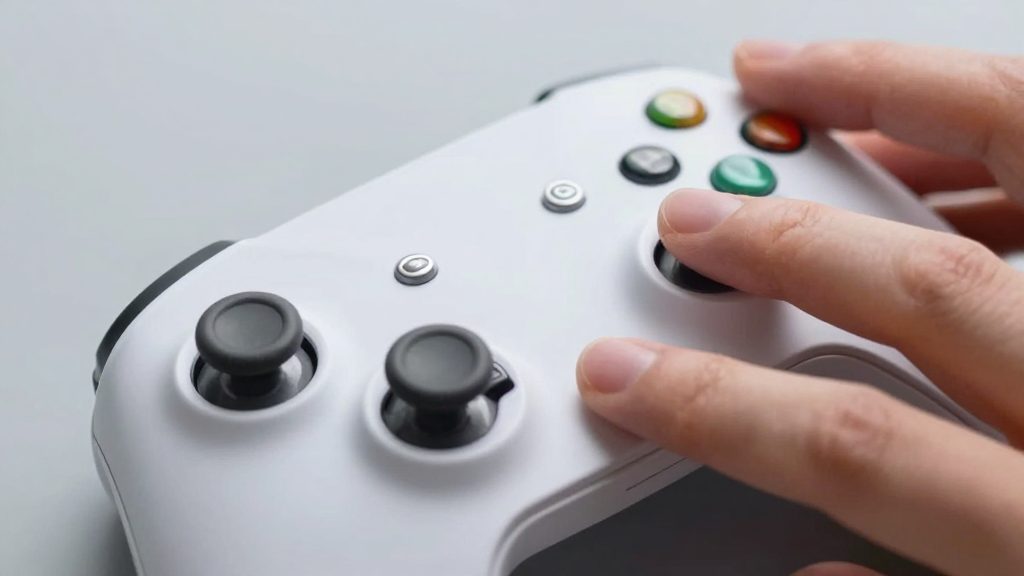
When connecting external devices, use a high-speed USB cable (USB 3.0 or higher). Low-quality cables can cause delays in data transfer for game controllers and headsets. For wireless headsets, prioritize stable data transmission over battery status. If you experience audio delays or sound interruptions after connecting a device, try replacing the cable or using a different port.
6. Apply Game Updates: Fix Inaccuracies and Bugs
Games often receive repeated updates after release, typically to improve performance or fix bugs. Issues like delayed screen transitions after saving, long loading times, and input recognition errors are often resolved through these updates. Regularly check for "Game Updates" in the settings menu and enable "Automatic Download." Even if an update isn't available within two weeks of a game's installation, you can check for the latest information on the official community communication center.
7. In-Game UI Settings: Remove Unnecessary Elements
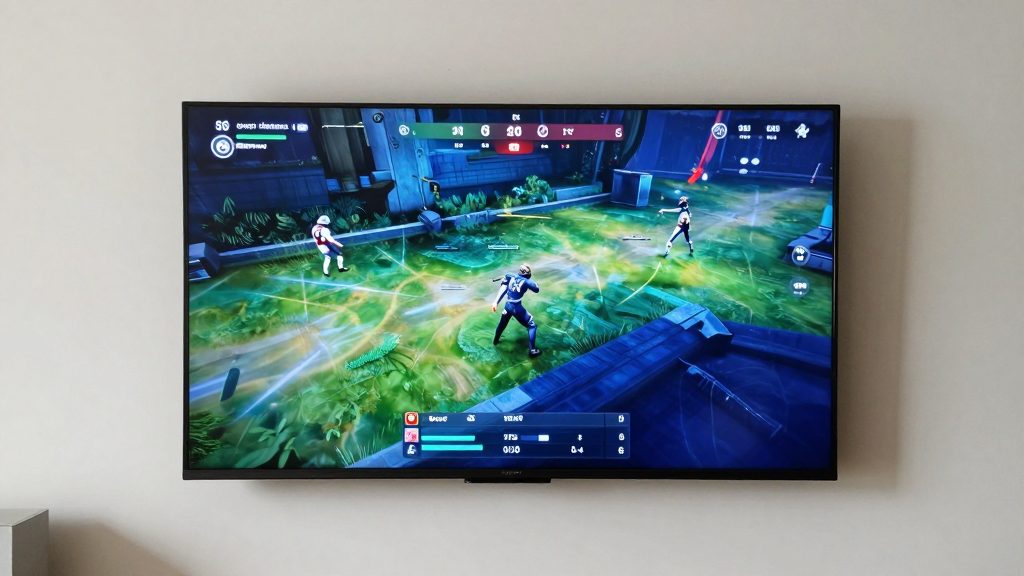
The in-game User Interface (UI) is helpful for conveying information, but excessive overlays or transparency filters can increase the GPU load. Continuously displayed elements like maps, heatmaps, and skill cooldown notifications can not only obstruct your view but also negatively impact frame performance. If you experience an unstable or blurry screen, prioritize removing unnecessary overlays in the UI layout settings.
The PS5 is more than just a device with powerful hardware; it's a system that requires careful configuration to maximize its potential. Optimizing game performance involves adjusting settings based on the type of game and your play style. The 7 tips outlined above are basic settings that can be checked immediately after launching a game, and even spending a little time reviewing them can significantly improve your gaming experience. In particular, Performance Mode, available storage space, and audio optimization are key factors that can deliver the most noticeable improvements.
Related posts
"PS5 Controller Setup Guide: Optimize Your Performance by 30% with Customization (Use it
Here are 4 essential things to check before buying "this game" on Steam, based on

League of Legends: Which build is better – the "Salt" build (focusing on utility) or the

PUBG: Overwatch 2 vs. Revival – Which Collaboration Game Reigns Supreme?
Popular posts
"PS5 Controller Setup Guide: Optimize Your Performance by 30% with Customization (Use it
Here are 4 essential things to check before buying "this game" on Steam, based on
League of Legends: Which build is better – the "Salt" build (focusing on utility) or the
Comments 0