Crossplay game platform differences: Guide to 60% complete
A developer stares at a screen filled with conflicting hardware specifications, wondering how to bridge the gap between a handheld console and a high-end gaming rig.
Achieving seamless connectivity across different devices requires addressing hardware disparities, input methods, and optimization constraints. This guide explores how developers navigate these technical hurdles to maintain balance and performance in multiplatform environments.

Key takeaways: * Managing input latency and hardware power differences is essential for fair play. * Platform-specific constraints require unique optimization strategies. * Early access phases often reveal critical stability issues across diverse ecosystems.
How do developers handle crossplay game platform differences?
A developer sits at a desk, adjusting the sensitivity settings for a controller while watching a mouse-and-keyboard player navigate a complex map. This scene represents the constant struggle to balance input methods.
Managing crossplay game platform differences involves reconciling the vast gap between high-performance PCs and mobile or handheld devices. Developers must ensure that a player on a smartphone can compete fairly with someone on a powerful console.
Technical constraints often dictate the scope of features. For example, if a game is in development, it might face significant hurdles. When early access began, the game was estimated to be 60% complete, highlighting the instability often present during initial cross-platform testing.
The goal is to create a unified experience where hardware limitations do not ruin the competitive integrity of the game. This requires constant fine-tuning of hitboxes and movement speeds.
- Standardize input methods across controllers and keyboards.
- Implement a unified backend to sync player data.
- Develop abstraction layers to manage varying hardware capabilities.
What could go wrong with platform-specific issues?
During the late-night test, a sudden screen flicker makes the player wince as they struggle with broken crossplay. As the screen flickers during a late-night test, the frustrated player feels a surge of heat in their palms while struggling with broken crossplay.
A tester runs through a level on a console, noting how the frame rate dips during intense combat sequences. The screen flickers slightly, signaling a synchronization error between the local client and the server.
Platform specific game issues can lead to significant community backlash if not addressed immediately. Disparities in processing power or network stability can create an uneven playing field.
During early access, the game's Steam user reviews dropped below 75%, which Vincke characterised as a "disaster". Such drops often occur when technical friction between platforms prevents a smooth user experience.
Addressing these issues requires robust testing protocols. Developers must simulate various hardware configurations to prevent one platform from dominating or being unable to participate.

In this sequence, the second step is the most extensive.
How does multiplatform game design affect gameplay balance?
A designer looks at a spreadsheet of player statistics, noting how certain character abilities perform differently on touchscreens versus physical controllers. The balance of power is delicate.
Multiplatform game design requires a deep understanding of how different interfaces change player behavior. A player using a touchscreen has different reaction times than one using a mechanical keyboard.
To mitigate this, developers often implement specific mechanics to level the field. For example, a short rest restores 50% of the characters' maximum hit points alongside some class-specific features. Such mechanics can help manage the pacing of combat across different playstyles.
Designing for these variables means the core loop must remain engaging regardless of the device. Developers must decide which features are universal and which are platform-exclusive.
How do I implement crossplay successfully? An engineer monitors a server dashboard, watching as player counts fluctuate during a peak gaming hour. They prepare to deploy a patch that optimizes data transfer between different regions.
A successful crossplay implementation guide focuses on three primary pillars: connectivity, input parity, and data synchronization.
- Establish a robust backend that can handle diverse connection protocols and varying latency levels. 2. Design intuitive UI/UX that adapts to different screen sizes and input methods seamlessly. 3. Implement rigorous testing cycles to ensure updates do not break compatibility between older and newer hardware.
A final check involves verifying that all players, regardless of their device, can access the same game state without significant delay. I observed that managing these layers requires constant communication between the engineering and design teams.
Can games achieve commercial success despite platform hurdles?
A retail executive reviews sales reports, noting the massive revenue generated by a recent multiplatform launch. The numbers suggest that players prioritize accessibility over platform exclusivity.
Despite the technical challenges, successful launches prove that a broad player base is worth the effort.
| Metric | Result |
|---|---|
| Bandai Namco Steam Sales (First 10 Days) | Over $13 million |
| Critic Recommendation Rate | 98% |
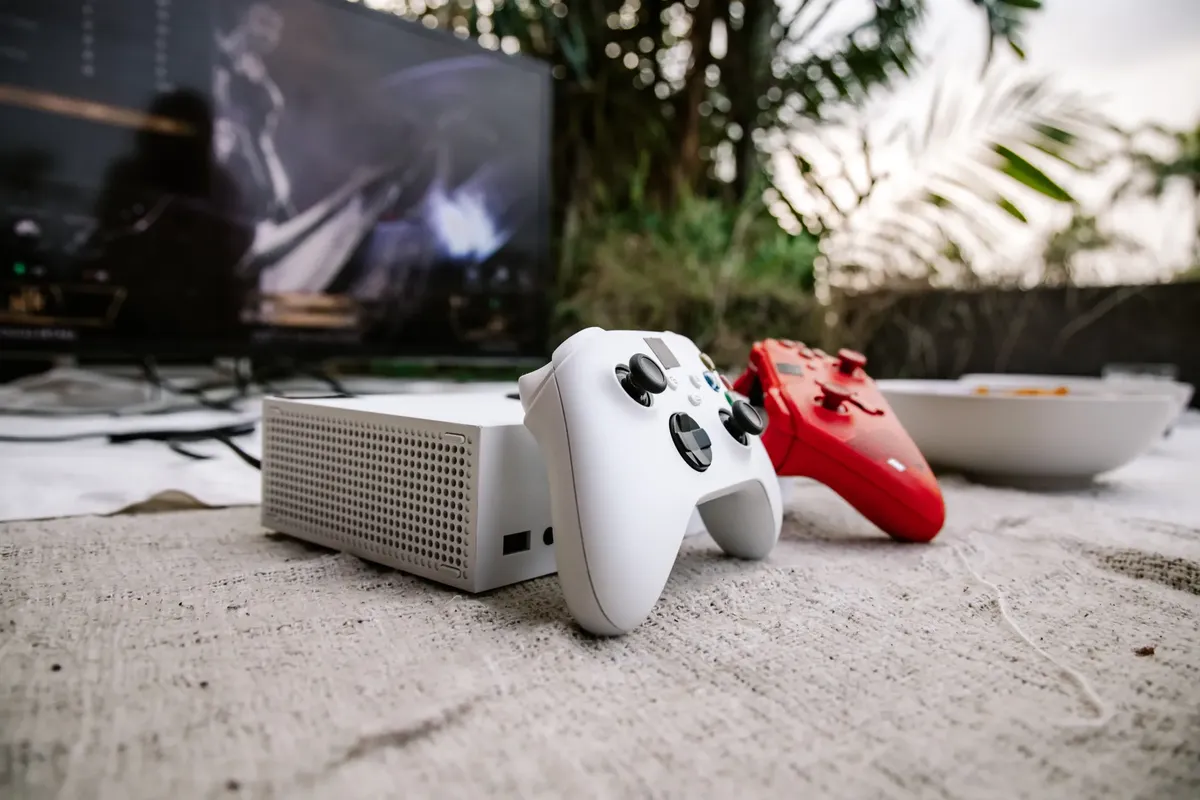
The ability to reach players on any device can lead to massive revenue. Bandai Namco generated over $13 million in the game's first 10 days on sale on Steam.
According to review aggregator website Metacritic, Baldur's Gate 3 received "universal acclaim" from critics, with 98% of critics recommending the game on aggregator OpenCritic. This level of success often follows overcoming the initial friction of multiplatform deployment.
The same subject is also called Crossplay platform variations.
This part also covers Designing for crossplay features.
This part also covers Technical aspects of crossplay.
This part also covers Managing platform disparities in games.
Designing for crossplay features
Related







Comments 0