AI in game development: Guide to manage rising costs
"The landscape of digital entertainment is shifting as technological advancements redefine how worlds are built and experienced."
AI in game development is transforming how studios manage rising production costs and complex workflows. This guide explores how emerging technologies integrate into traditional pipelines, the impact on user experiences, and the inherent technical limitations of automated systems.
How does AI in game development address rising costs?
At midnight in the dim office, a developer rubs tired eyes while staring at a screen that displays a complex game budget.

A developer sits at a desk, staring at a budget spreadsheet that shows ballooning expenses for a massive project. The pressure to optimize every dollar is palpable as the team prepares for the next milestone.
The rising costs of AAA games represent a significant challenge for modern studios.
According to a report by the United Kingdom's Competition and Markets Authority regarding the proposed acquisition of Activision Blizzard by Microsoft in 2023, costs of development for AAA games continued to rise over the next two decades.
This trend necessitates more efficient workflows to maintain profitability.
Integrating intelligent systems can help manage these escalating expenses. By automating repetitive tasks, developers can redirect focus toward creative innovation. This shift helps balance the heavy financial requirements of large-scale productions.
- Automate repetitive asset creation tasks.
- Streamline bug detection and debugging processes.
- Optimize procedural generation to reduce manual level design time.
What are the trends in AI game tech trends?
An artist uses a tablet to sketch a character, wondering how procedural generation might influence the final design. The interplay between human creativity and algorithmic assistance becomes a central theme in the studio.
Current shifts in the industry reveal significant AI game tech trends. As development cycles grow longer and more expensive, studios look toward automation to streamline asset creation. These trends often involve using machine learning to generate textures, environments, or even dialogue.

These technological shifts change how studios plan their resources. Instead of manual labor for every single asset, developers use tools to build vast worlds quickly. This allows for more ambitious scopes within existing budgets.
In this sequence, the first step is the most fundamental.
How is the AI game design impact felt by players?
A player holds a controller, navigating a world that feels reactive and alive. The subtle changes in environment and NPC behavior create an immersive experience that feels uniquely responsive.
The AI game design impact is most visible in the player's immersion. Procedural generation and intelligent NPC behavior can create unpredictable and engaging gameplay loops. These systems allow for more dynamic worlds that react to player decisions.
However, the goal remains to enhance, not replace, the designer's intent. A well-designed system uses AI to fill the gaps in a narrative or to provide variety in gameplay. This results in a more seamless and engaging user experience.
What are the challenges of machine learning games?
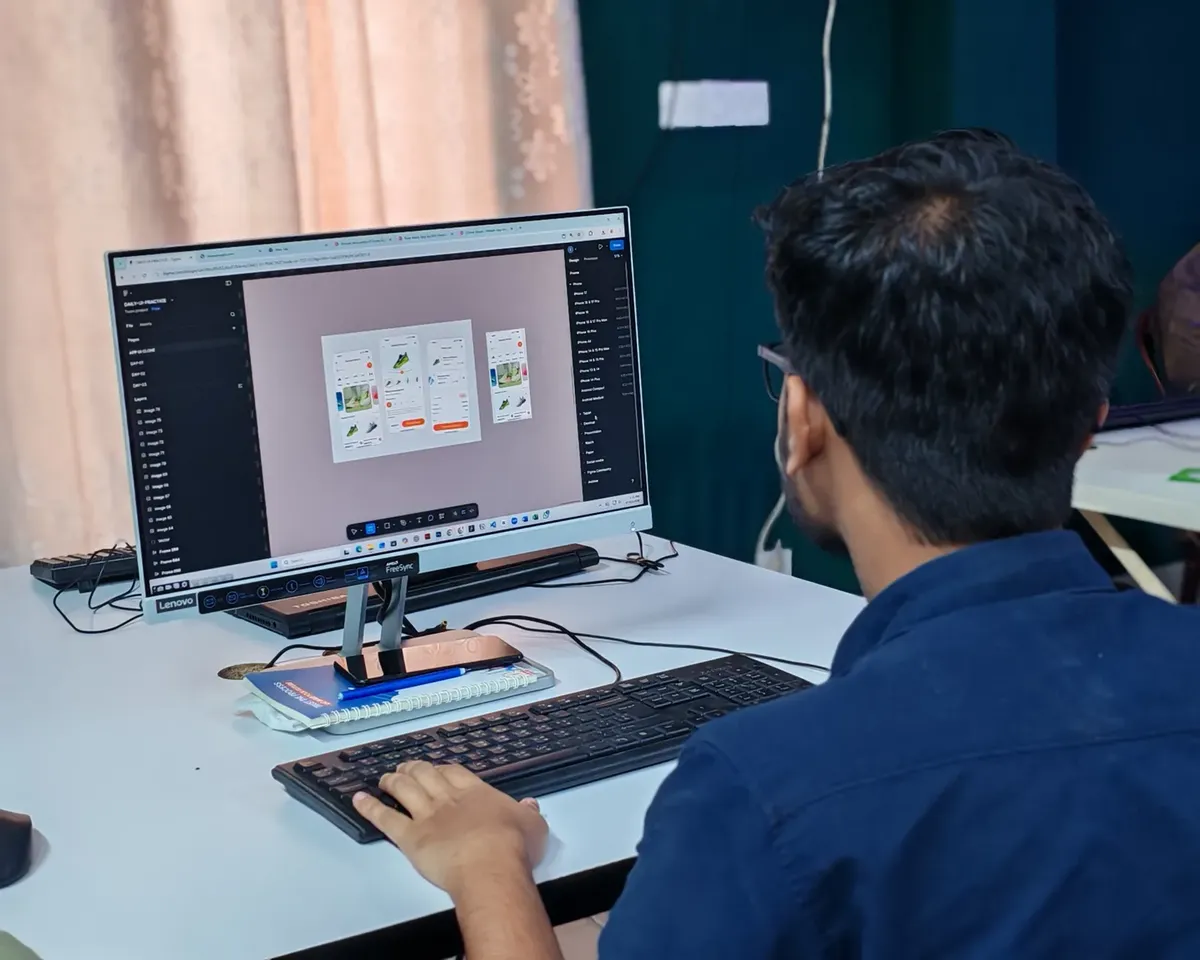
A programmer debugs a script, trying to understand why an automated agent is behaving erratically. The tension between predictable gameplay and unpredictable AI creates a constant troubleshooting loop.
Developing machine learning games presents unique technical hurdles. Training models to behave within the constraints of a specific game design requires careful tuning. If the AI is too unpredictable, it can break the player's immersion or create unfair advantages.
Balancing autonomy with control is the primary struggle. Developers must ensure that the "intelligence" serves the gameplay rather than distracting from it. This requires constant testing and iterative refinement of the underlying algorithms.
How do we manage AI game development challenges?
The team gathers in a meeting room to discuss a project that is nearly finished but still requires significant polish. They must decide how to allocate the remaining budget to ensure a successful launch.
Addressing AI game development challenges requires a structured approach to integration. Designers must work closely with engineers to ensure that automated systems align with the core gameplay loop. Without this synergy, the technology can become a hindrance.
- Define the specific role of AI within the gameplay loop to ensure it serves a functional purpose. 2. Establish clear constraints for automated systems to prevent unpredictable or game-breaking behaviors. 3. Implement rigorous testing phases to validate that AI-driven elements enhance the user experience as intended.
A final check involves testing the integrated systems against the original design document to ensure all creative goals are met. This prevents the technology from drifting away from the intended player experience.
What are the future AI in gaming possibilities?
A visionary designer looks at a concept art piece, imagining a world where the environment evolves in real-time based on player emotion. The possibilities of the future feel both exhilarating and daunting.

Looking ahead, the future of AI in gaming involves even deeper integration of generative technologies. We may see games that can generate entire quests, dialogue trees, and environments on the fly. This would lead to virtually infinite replayability.
Such advancements will require even greater computational power and more sophisticated algorithms. The relationship between the player and the game will become increasingly personalized. The core challenge will be maintaining a cohesive human touch in an increasingly automated world.
The subject here is AI in game development.
The same subject is also called Intelligent game systems.
This part also covers User feedback on AI games.
Related







Comments 0