PC game minimum specs guide: Tips for low spec gaming PC
"A player stares at a black screen, wondering if the hardware they just purchased can actually handle the digital world they wish to enter."
How do I interpret a PC game minimum specs guide?
At dusk, I squint at the glowing monitor in my darkened room while scanning the list to see if my hardware can handle the new game.
A person sits at a desk, scrolling through a list of processor speeds and memory requirements on a bright monitor. They compare these numbers to the hardware sitting right in front of them.
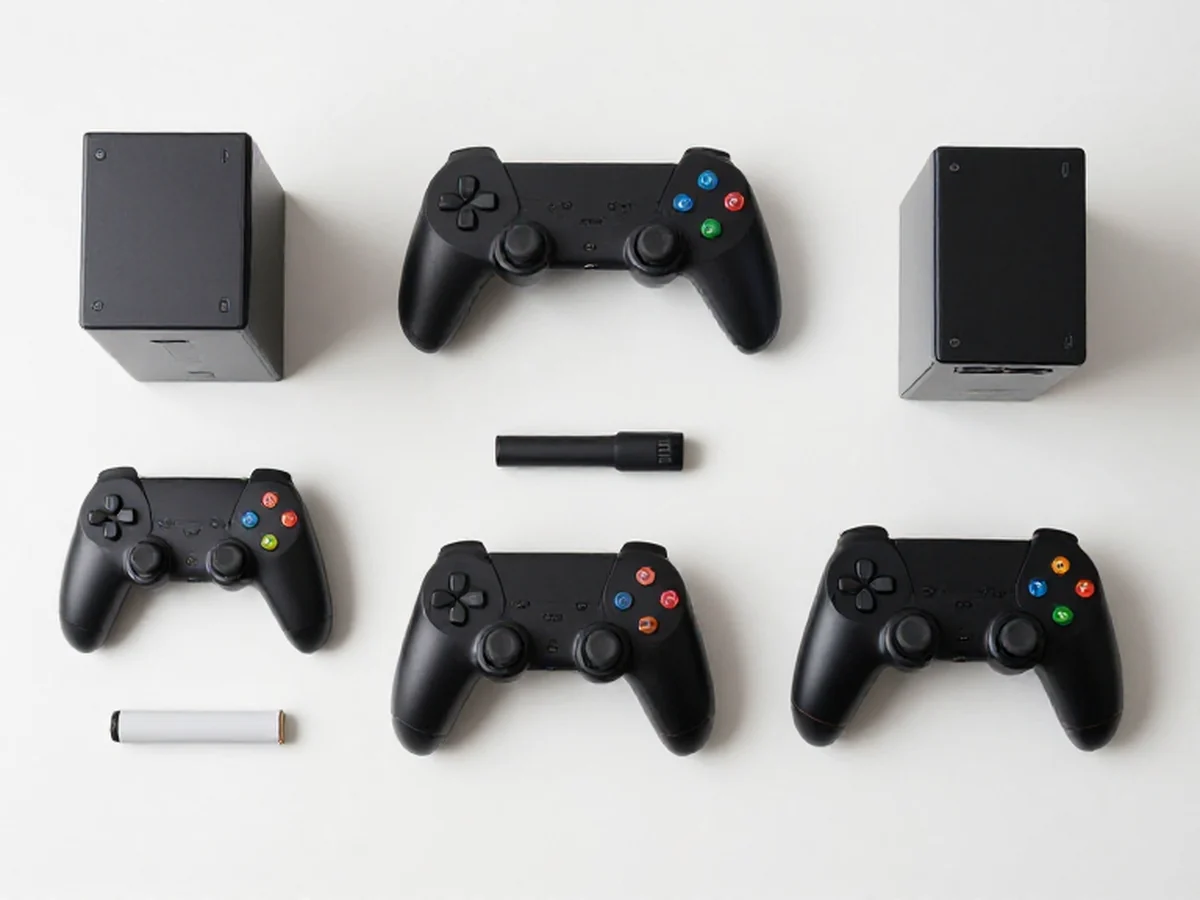
A PC game minimum specs guide serves as the baseline for whether a title will launch and be playable at basic settings. These requirements represent the lowest level of hardware capable of running the software without frequent crashes or unplayable frame rates.
When looking at these lists, players must focus on the CPU, GPU, and RAM to ensure compatibility.
A low spec gaming PC often requires careful balance to ensure the processor does not bottleneck the graphics card. It is vital to check if the software requires a specific operating system version or a certain amount of available storage space.
Understanding these baseline needs helps prevent wasting money on components that cannot run the target software.
- Identify the core hardware requirements like CPU and GPU. 2. Compare these requirements against your current system's components. 3. Check for specific software dependencies such as OS version or DirectX support.
What is the difference between minimum and recommended specs?
I sit in my office at midnight, tapping my fingers nervously against the desk as I weigh the minimum requirements against the recommended settings for my next game.

A user clicks through a game launcher, seeing a warning that their hardware is below the recommended level. They hesitate before clicking "play," wondering if the experience will be ruined.
The distinction between minimum and recommended requirements is the difference between a functional game and a pleasant one. Minimum requirements are the absolute floor for the software to function, while recommended specs aim for a more stable and visually pleasing experience.
| Specification Type | Primary Goal | Typical Result |
|---|---|---|
| Minimum | Software Launch | Basic Playability |
| Recommended | Smooth Performance | Visual Fidelity |
A budget gaming setup often targets the recommended tier to ensure the player does not face constant stuttering. I once spent hours adjusting settings on a machine that barely met the minimum requirements, only to realize the experience was frustratingly slow.
Choosing hardware that meets or exceeds the recommended specs provides much-needed headroom for future updates.
In this order, the second point is the longest.
How can I build a budget gaming setup?

A builder carefully places a graphics card into a new chassis, checking the connections one last at a time. The room is quiet except for the soft hum of a cooling fan.
Building a budget gaming setup requires prioritizing parts that offer the best price-to-performance ratio. You should focus on core components that can be easily upgraded later to extend the life of the machine.
- Select a versatile CPU that handles both gaming and basic multitasking. 2. Pick a mid-range graphics card that meets the recommended requirements for your favorite titles. 3. Install enough RAM to prevent system slowdowns during intensive gameplay sessions.
After selecting the parts, perform a final check to ensure all components are compatible with the motherboard and power supply. This methodical approach ensures that the hardware can handle the specific demands of modern software.
How do I address platform differences explained?
A gamer switches between a laptop and a desktop, noticing how the same game looks different on each device. They realize that hardware capability changes based on the form factor.

Understanding platform differences explained is essential when moving between different types of hardware like desktops and laptops. Laptops often have thermal limitations that prevent them to reach the same peak performance as a desktop with the same component names.
A low spec gaming setup on a laptop might require more aggressive fan control to prevent overheating. It is important to recognize that mobile versions of hardware are often tuned for power efficiency rather than raw strength.
This reality means that a "GTX" label on a laptop might not perform identically to the same label on a desktop.
Can I run this game?
A player types a specific game title into a search engine, looking for a compatibility calculator. They need to know if their current rig is ready for the download.
The question "can I run this game?" is the most common concern for any PC enthusiast. To answer it, you must compare your current hardware against the specific requirements provided by the game developer.
To verify compatibility, follow these steps: 1. Identify your current CPU, GPU, and RAM capacity. 2. Compare your hardware numbers directly to the game's listed requirements. 3. Check for specific technology needs like DirectX versions or specialized driver support.
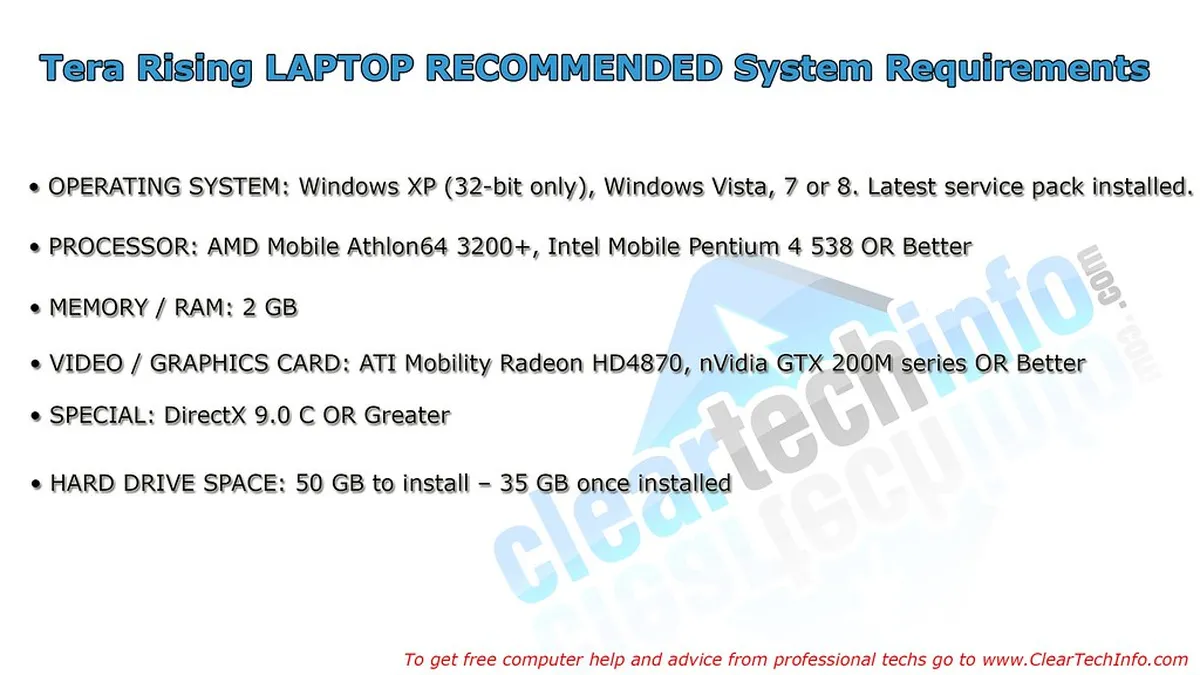
A final check of the storage type, such as SSD versus HDD, can also determine if loading times will be acceptable. If your hardware falls below the minimum, the game may not run at all or may be unplayable.
- Understanding a PC game minimum specs guide requires looking closely at the hardware requirements listed by developers to ensure smooth performance.
- This guide covers how to interpret hardware lists, the difference between minimum and recommended specs, and how to build a budget gaming setup that lasts.
- You will learn to evaluate components, avoid common pitfalls when choosing a low spec gaming setup, and understand how to answer the question, "can I run this game?"
Related
- Mobile payments guide: 44 percent Modern game monetization
- AI game realism simulation guide for flight physics
When should I upgrade my PC components? When a player notices performance dips during gameplay, it signals that the current hardware is struggling to meet the game's demands. Upgrading components becomes necessary when the current setup consistently performs below the recommended specifications, even after adjusting in-game settings. This proactive approach prevents the frustration experienced when a system barely meets the minimum requirements.
Considering component life cycles is a wise strategy for any budget setup. Since a low spec gaming PC requires careful balance, replacing an aging CPU might offer a greater performance boost than merely adding more RAM. The decision to upgrade should correlate with the game's evolving demands.
If the system frequently stutters, this suggests a bottleneck exists between the processor and the graphics card. Addressing this imbalance, perhaps by swapping out the GPU, will improve the overall experience significantly.
A player staring at a black screen might realize the hardware needs an upgrade to enter the desired digital world.
What precautions should I take when building a low spec setup? One caution when choosing a low spec gaming setup is ensuring the processor does not bottleneck the graphics card. This imbalance will negate the benefit of having a powerful graphics card. Another critical step is verifying that the chosen components are fully compatible with the motherboard and power supply before assembly.
It is important to remember that mobile hardware, like laptop components, operates under thermal constraints that differ from desktop parts. Therefore, a player must account for these limitations when comparing performance metrics across platforms.
Ignoring these differences can lead to expectations that the hardware simply cannot fulfill.
Furthermore, checking the required operating system version is a necessary step before purchasing parts. Failure to meet this baseline requirement means the software simply will not launch, regardless of how strong the GPU is.
Understanding these baseline needs prevents the waste of money on incompatible hardware.
Wikipedia: Video game content rating system Based on the retained excerpt mentioning Interactive Software Federation of Europe: It was developed by the Interactive Software Federation of Europe (now Video Games Europe) and came into use in April 2003; it replaced many national age rating systems with a single European system.







Comments 0