High spec game system needs: Guide to hardware balance
High-end gaming requires a delicate balance of hardware power to meet modern visual and performance expectations. This guide explores how high spec game system needs vary across different hardware architectures to ensure smooth gameplay.
Understanding the nuances of hardware requirements is essential for anyone looking to experience modern titles without stuttering or graphical artifacts. This overview covers the fundamental elements of performance, the impact of different platforms, and how to navigate technical specifications.
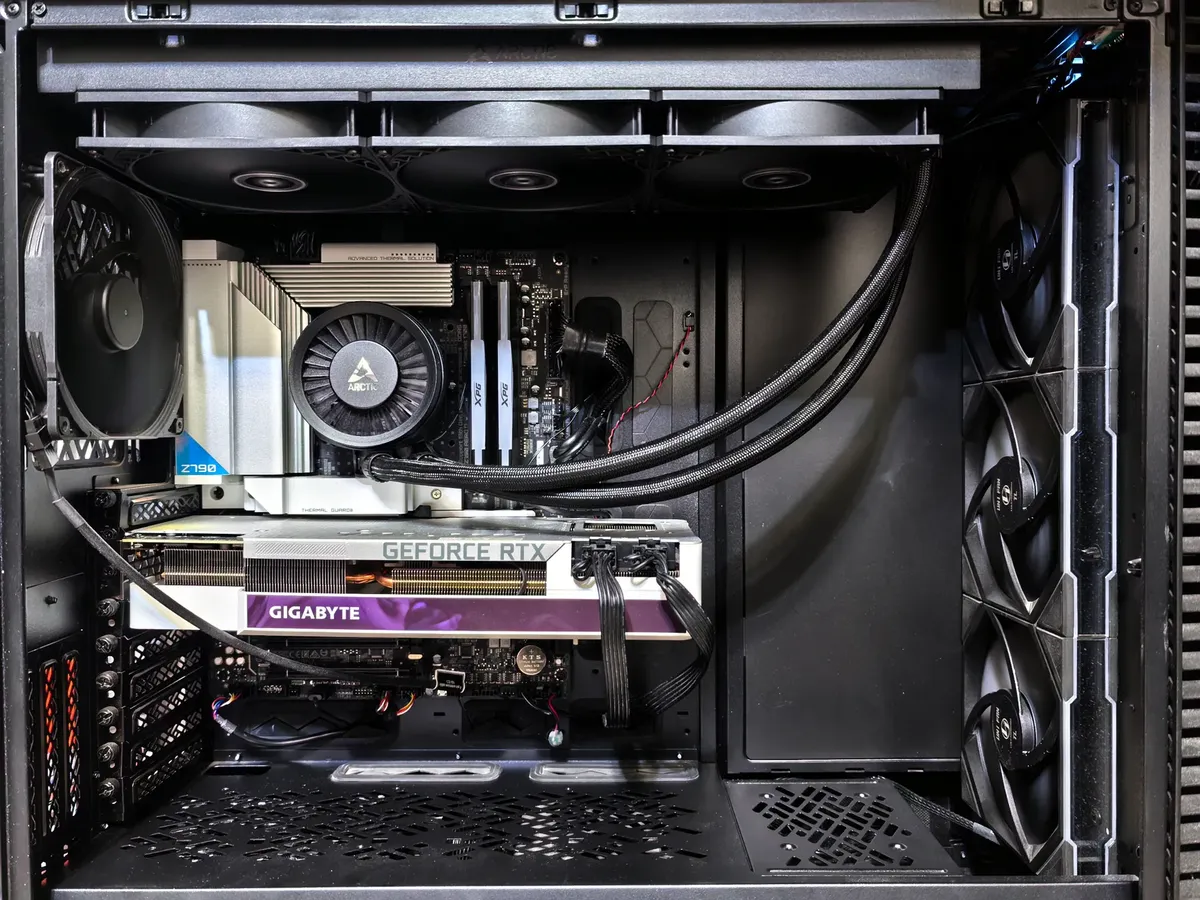
Key Takeaways: - High-end hardware must balance processing power with graphical output. - Platform differences dictate how much optimization is required. - Resolution and frame rates are the primary metrics for player satisfaction.
What exactly defines a high-spec gaming system? In the dim glow of the bedroom, I tap my fingers rhythmically against the desk as the high resolution textures flicker across the screen.
A gamer sits at a desk, staring at a monitor that flickers with a sudden drop in frame rate during a heavy combat scene. The hardware must work in harmony to prevent such interruptions.
High spec game system needs are defined by the ability to process complex physics, AI, and high-resolution textures simultaneously. A robust system ensures that the software can execute its most demanding tasks without hitting a bottleneck.
This typically involves a synergy between the central processing unit and the graphics processing unit.
The relationship between these components determines the overall stability of the experience. If one part of the system lags, the entire immersion breaks, regardless of how powerful the other components are.
High-end requirements are defined by the demand for real-time ray tracing, complex physics simulations, and ultra-high-resolution textures.
How does platform spec comparison affect the experience?
Late at night in the living room, I squint at the screen and feel a sudden chill when the high frame rate drops during the transition.
A player switches between a handheld console and a heavy desktop tower, noticing the immediate change in visual fidelity. The difference in how each device handles the same title is striking.

Platform spec comparison highlights how different architectures approach the same gaming task. For example, a desktop PC offers modularity and raw power, allowing for extreme customization, whereas consoles provide a standardized environment optimized for specific hardware.
Mobile platforms focus on thermal management and power efficiency, which changes how games are designed.
The level of optimization varies significantly between these environments. While a desktop might use brute force to push high resolutions, a console relies on highly tuned software to squeeze performance out of fixed hardware.
Comparing platforms helps you understand how much headroom you have for future software updates.
What kind of processor do I really need for gaming? The cooling fans in a computer case begin to spin faster, creating a steady hum as the CPU works to calculate complex game logic. This sound marks the onset of a heavy workload.
Processor needs for gaming involve more than just raw clock speed; they require efficient multi-core performance to handle background tasks and game engine calculations.
A fast processor ensures that the graphics card is never waiting for instructions, which is critical for maintaining high frame rates.
Modern titles often utilize multiple cores to distribute tasks like physics and artificial intelligence. A bottleneck at the processor level can lead to stuttering, even if the graphics card is capable of high-resolution output.
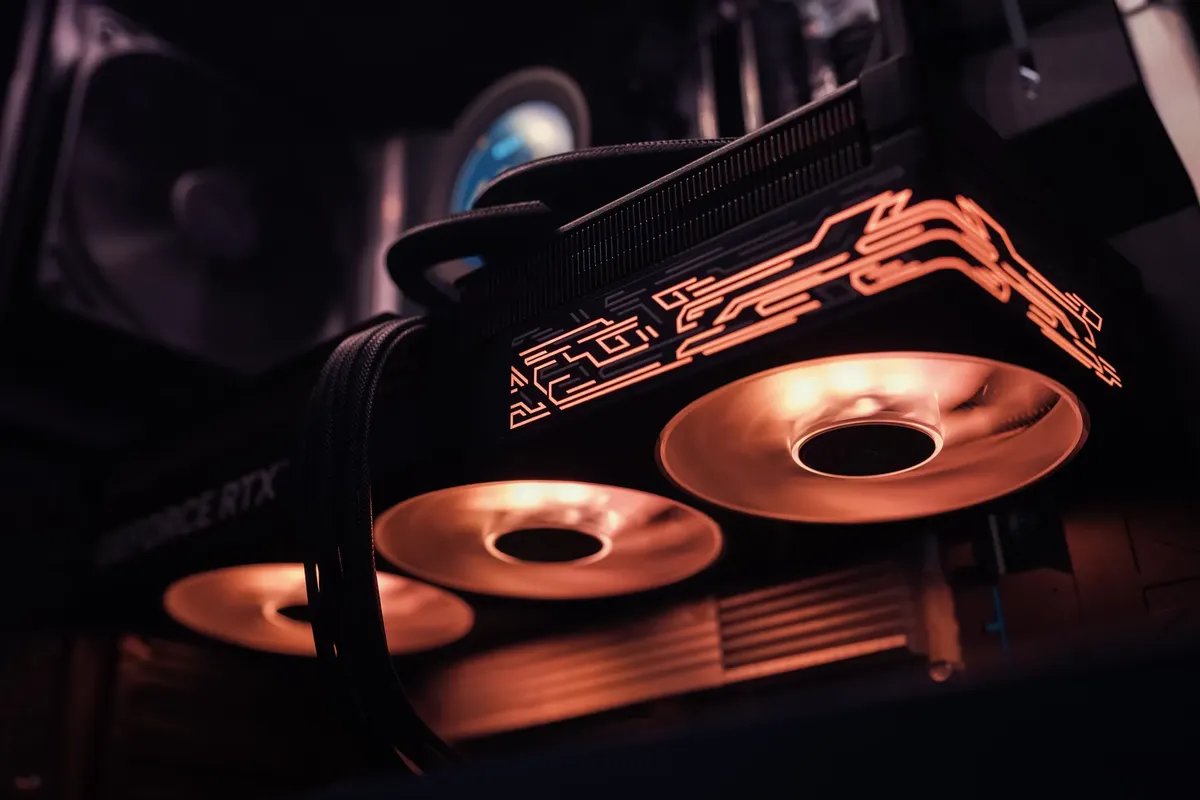
- Identify the core count required for background tasks and game logic.
- Evaluate single-core clock speeds for peak gaming performance.
- Check cache sizes to minimize latency during intensive gameplay.
Managing display resolution impact and frame rates
A user adjusts the brightness on a bright screen, trying to find the sweet spot between sharp details and smooth motion. The choice between 4K and 1080p changes everything.
The impact of display resolution on performance is one of the most significant factors in hardware planning. Higher resolutions, such as 4K, put an immense load on the graphics hardware, often requiring significant sacrifices in frame rates.
Conversely, lowering the resolution can help in achieving higher frame rates, which is often preferred in competitive gaming.
Achieving high frame rates requires a balance of all system components. If the goal is a smooth, fluid motion, the system must be able to push enough frames per second to match the monitor's refresh rate.
In this order, the second step is the most significant.
How to prepare your setup for high-end titles
A technician carefully plugs a new component into a motherboard, ensuring all connections are secure before powering on the machine. This preparation is the final step before testing.
To prepare for demanding software, follow these steps:
- Verify that the power supply unit can handle the peak wattage of all components. 2. Ensure the cooling solution is sufficient to prevent thermal throttling during long sessions. 3. Check that the storage drive meets the fast read/write speeds required for modern asset loading.

After setting up the hardware, perform a final check by running a benchmark tool to see how the system handles real-world loads. I have found that checking thermal levels during these tests is just as important as checking the frame rate itself.
A limitation of this approach is that even the most powerful hardware may struggle with poorly optimized software, as the software's efficiency remains a variable outside of hardware control.
Ensure your power supply unit can handle transient spikes from high-end GPUs and verify that your cooling solution can manage sustained thermal loads.
Related
- What are the level based game needs for different devices?
- How are new tools and workflows shaping game quality?
When does hardware become a bottleneck in high gaming? When one component struggles to keep pace with the others, the entire high gaming experience suffers a performance dip. A processor bottleneck occurs when the CPU cannot feed instructions to the GPU fast enough for rendering. Similarly, a GPU bottleneck happens when the graphics card is overwhelmed by the sheer volume of visual data the CPU is sending to it. Effective high gaming requires ensuring that the weakest link does not dictate the performance ceiling of the entire system.
A bottleneck occurs when one component limits the potential of the others, such as a slow CPU preventing a powerful GPU from reaching its maximum frame rate.
What cautions apply to high-end system maintenance? Maintaining a high end system requires vigilance regarding thermal output during intense gaming sessions. If cooling is inadequate, the components will automatically reduce their operating speed to prevent damage, a process known as thermal throttling. Furthermore, ensuring the power supply unit possesses adequate headroom is a critical caution before installing new, power-hungry components.
The synergy between the central processing unit and the graphics processing unit must be constantly monitored during high gaming to confirm balanced load distribution. If the system is unbalanced, the potential of the most powerful component is wasted.
Understanding the platform differences is crucial because a standardized console environment manages resource allocation differently than a customizable desktop setup. This difference directly influences how a developer must optimize the high gaming experience for that specific target.







Comments 0