How do game story design elements interact with mechanics?
"The essence of a role-playing game lies not just in the numbers on a character sheet, but in the architecture of the world they inhabit and the choices that define their path."
RPG story structure is determined by the interplay between player agency, character progression, and the overarching narrative arc that connects mechanical growth to plot development.
This structure relies on integrating world-building with decision-making frameworks to ensure that gameplay actions feel meaningful within the fictional context.

* Character agency and branching paths * The relationship between mechanics and narrative * World-building as a structural foundation * The evolution from tabletop roots to digital systems
What shapes my RPG's story structure?
At midnight in the dim library, I trace the jagged edges of the hand-drawn map, feeling the textured paper as I contemplate the unfolding game.
A designer sits at a desk, sketching out a vast map where every mountain range and village serves as a potential catalyst for a quest. They are thinking about how the player's movement through this space dictates the flow of the tale.
The RPG story structure is shaped by how much control the player has over the sequence of events and how the game world reacts to those specific inputs.
Game story design elements often center on the tension between a scripted main plot and the emergent stories created by side quests. When a player chooses to help a local merchant instead of pursuing the dark lord, the structure shifts from a linear path to a more complex, multi-layered web.
This interaction between the predetermined script and the player's autonomy is a core component of analyzing RPG narrative mechanics.
The way a plot forms in an RPG depends heavily on how the game handles "choice and consequence." If every decision leads to the same ending, the structure is effectively linear despite the illusion of freedom.
However, if decisions alter the state of the world or NPC relationships, the structure becomes non-linear. This complexity is what defines the depth of many modern titles.
The core architecture of an RPG narrative is defined by the tension between player agency and the designer's intended arc.
How do game story design elements interact with mechanics? RPG story structure factors
A player clicks through a dialogue menu, selecting a stern response that causes an NPC to recoil in fear. This single interaction bridges the gap between a written script and a mechanical consequence.
Deciding RPG narrative often involves determining how much weight a player's statistical attributes, such as charisma or intelligence, carry in shaping the story.
The core of RPG plot construction basis lies in the synergy between character leveling and story milestones. As a character grows in power through experience points, the narrative must scale to match that capability.
This ensures that the stakes of the story rise in tandem with the player's ability to handle them, preventing a disconnect between the player's strength and the tension of the plot.
Analyzing RPG narrative mechanics reveals that the story is often a delivery system for gameplay loops. For example, a quest to retrieve a lost relic is not just a plot point; it is a structured way to introduce a new dungeon, a new enemy type, and a new set of loot.

The story provides the "why," while the mechanics provide the "how."
To ensure ludonarrative harmony, designers must align progression systems with character development through these steps: 1. Map character growth curves to mechanical power spikes. 2. Sync narrative milestones with the unlocking of new abilities. 3. Align environmental storytelling with gameplay loops.
What elements drive my RPG's plot points?
The light of a monitor reflects off a controller as a player reaches a major turning point in a campaign, realizing their previous actions have locked them out of a specific city. This moment of realization is a carefully engineered plot point.
Elements driving RPG plot points include environmental storytelling, character motivation, and the introduction of conflict through world events.
In many ways, the structure is driven by the necessity of conflict. Without an opposing force or a fundamental problem to solve, the RPG structure collapses into a mere series of disconnected tasks.
The narrative must provide a cohesive reason for the player to engage with the mechanical systems, such as combat or exploration, to move the story forward.
The relationship between the player's identity and the world's history is another driving force. When the player's character possesses a unique lineage or a specific destiny, the plot points become more personal.
This connection tightens the bond between the user and the digital environment, making the structural progression feel less like a list of objectives and more like a personal journey.
Key drivers include character motivations, world-state shifts, and the consequences of player choices.
How can one analyze a specific RPG narrative?
I watch the screen as the protagonist enters a ruined cathedral, noting how the music shifts from an adventurous melody to a somber, low-frequency drone. I am looking for the way the environment itself tells a story without a single word of dialogue being spoken.
To analyze the structure of an RPG, one must look beyond the text and examine the totality of the experience.
- Identify the primary narrative arc to determine if the game follows a linear, branching, or open-ended path. 2. Evaluate the impact of player choices by checking if significant decisions lead to different world states or character endings. 3. Examine the integration of mechanics by observing if character growth and skill acquisition are tied to specific story beats.
After completing these steps, perform a final check by comparing the initial motivations of the character with the ultimate resolution of the plot to see if the structural loop is closed.
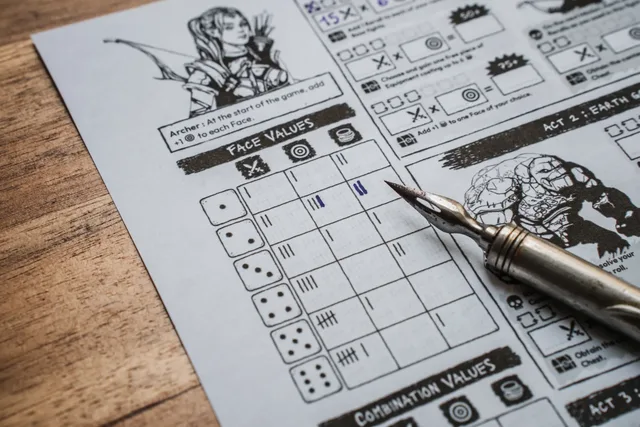
Effective analysis requires examining the relationship between quest design, dialogue branching, and pacing.
Comparing structural approaches
When examining different ways a story can be built, it is helpful to look at how different styles prioritize different player needs. Some games focus on a tight, cinematic experience, while others prioritize endless exploration and player-driven outcomes.
| Structure Type | Primary Focus | Player Agency Level |
|---|---|---|
| Linear Narrative | Scripted Storytelling | Low to Moderate |
| Branching Narrative | Choice and Consequence | High |
I found that choosing a branching narrative requires a much more complex design process to ensure all paths feel equally rewarding.
Linear structures offer tight pacing, while sandbox structures prioritize player autonomy and emergent storytelling.
The subject here is RPG story structure factors.
Related








Comments 0