How does platform performance impact social connectivity?
"The barrier between hardware often dictates whether a community thrives or fractures into isolated silos."
This analysis covers how cross-platform play availability and hardware ecosystems influence player connectivity and game accessibility.
Key takeaways include the historical role of console restrictions in creating player rifts, the timeline of cross-platform adoption in major titles, and how specific hardware announcements changed the landscape for multiplayer engagement.
How does platform performance impact social connectivity?
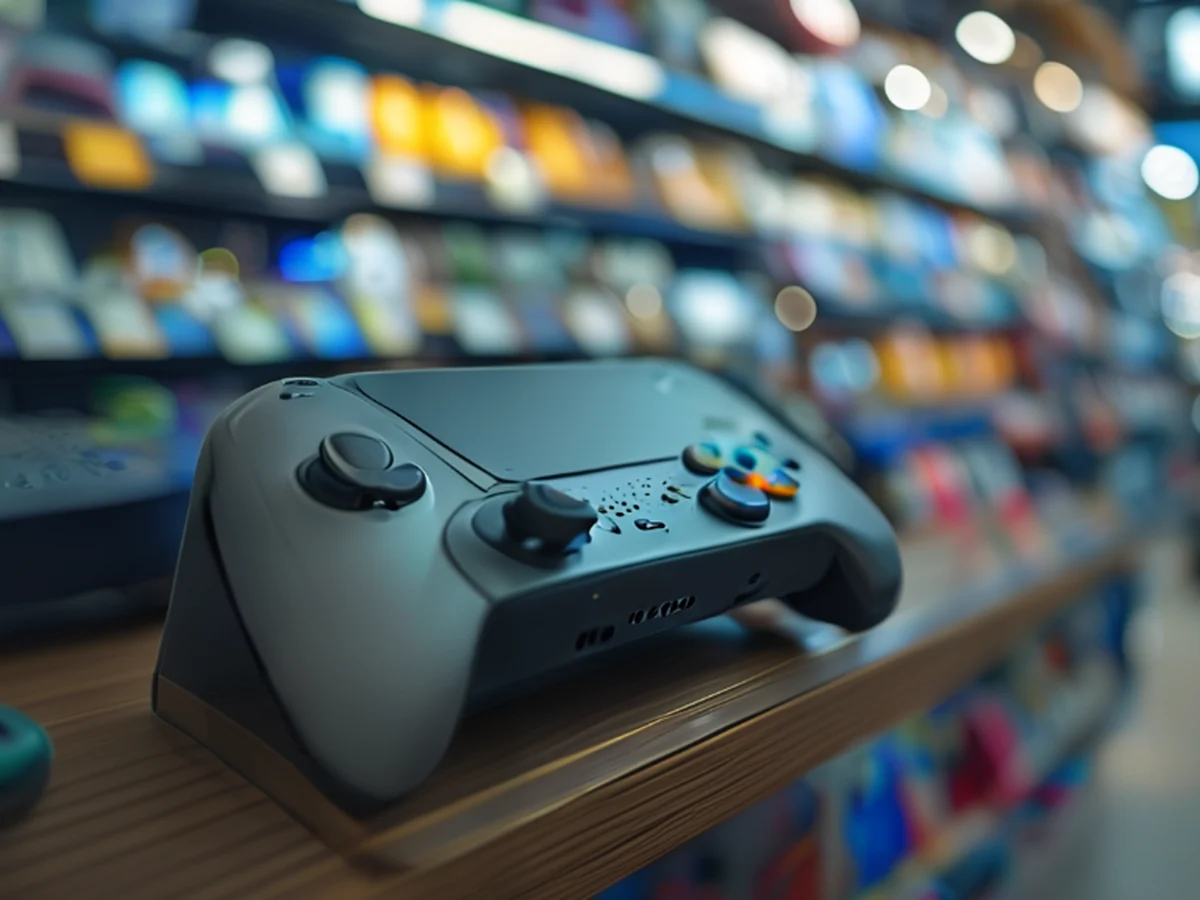
A player sits in a darkened living room, clutching a controller while waiting for a match to load on a specific console. They realize their friends on a different system cannot join the same lobby, creating a technical wall between them.
According to Wikipedia, Sony Interactive Entertainment had restricted PlayStation 4 cross-platform play with other consoles up through September 2018.
How has cross-platform play changed? A developer prepares a massive update, hoping to bridge the gap between different gaming devices. They watch as news breaks regarding new compatibility features that allow users to play together regardless of their hardware.
The landscape changed significantly during major industry events. During the Electronic Entertainment Expo 2017 in June of that year, Nintendo announced that it would support cross-platform play between PC and Xbox One versions of both Rocket League and Minecraft on the Switch.
This move signaled a shift toward more open ecosystems.
The timeline of these changes shows a gradual opening of platform boundaries.
These shifts helped mitigate the previous isolation felt by different user groups.
How did hardware announcements affect specific games?
An attendee at a large convention hall listens to a keynote presentation, feeling the excitement as new features are revealed. The announcement regarding specific titles changes how they plan to play with their peers.
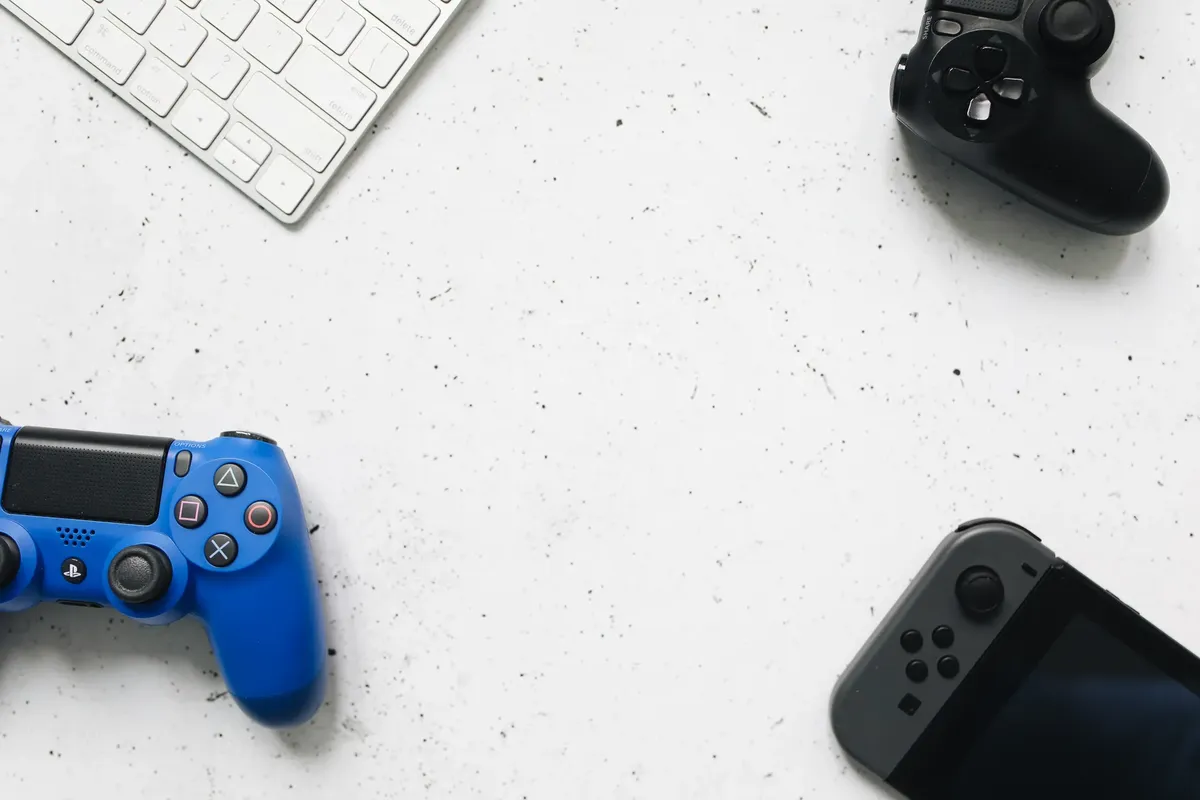
The impact of hardware-specific announcements can be seen in the way major titles were handled. Concerns regarding Sony's reluctance to participate with other consoles surfaced after the E3 2017 announcements regarding cross-platform play with Rocket League and Minecraft.
These announcements highlighted the tension between closed ecosystems and the desire for universal play.
| Game Title | Cross-Platform Milestone |
|---|
| Minecraft | Supported on Switch via PC and Xbox One in 2017 |
I observed how these specific compatibility updates changed the way my own gaming group approached tournament play.
How do I manage platform compatibility? A user opens their system settings, navigating through various network and account menus to ensure their software is ready for multiplayer sessions. They carefully follow the requirements to avoid connection errors.
To ensure a smooth experience when dealing with cross-platform environments, follow these steps:
- Verify that the specific game title supports cross-platform play in its current version. 2. Check that your console's firmware and the game's software are both updated to the latest release. 3. Link your platform-specific account to the game developer's universal account system if required.

Perform a final check by attempting to join a friend's session using a different hardware device to confirm the connection is active.
Can platforms be used for creative production?
A creator sits at a workstation, carefully editing footage captured within a digital environment. They use the software to transform gameplay into a structured cinematic narrative.
Beyond competitive gaming, some platforms serve as tools for digital filmmaking. For instance, creators such as Dutch director Chantal Harvey, a producer of the 48 Hour Film Project Machinima sector, have created upwards of 200 films using the platform.
This demonstrates that platform utility extends into professional creative sectors.
Is there a limitation to platform interoperability?
A gamer stares at a screen, realizing that even with cross-platform updates, certain regional or hardware-specific restrictions still exist. They understand that compatibility is not a universal guarantee for every title.
The ability to play across different systems is not established for every single game or hardware combination. The historical restrictions by Sony Interactive Entertainment up through September 2018 serve as a concrete example of how platform boundaries can limit the user experience.

- Platform performance impact is defined by how hardware restrictions and software compatibility shape the social and technical experience of gaming.
- Platform performance impact is most visible when hardware ecosystems limit social interaction.
- This lack of interoperability prevents seamless social engagement across different devices.
The same subject is also called Game platform speed test.
The same subject is also called How platform affects play.
The same subject is also called Gaming performance differences.
The same subject is also called Platform experience analysis.
This part also covers Genre specific platform tests.
This part also covers Comparing game engine power.
This part also covers User perception of game speed.
Genre specific platform tests
Related
- How is AI in game creation changing development costs?
- Crossplay in game development: Best tips for game design
What conditions affect the barrier between hardware and community?
- The initial hardware barrier often establishes the initial division among players. 2. Software compatibility dictates the ease with which the barrier between different systems can be overcome. 3. A lack of interoperability directly contributes to the fracturing of a community into isolated silos.
Platform performance impact is fundamentally tied to the barrier between the physical components and the shared digital experience. When the barrier between hardware is too rigid, the community struggles to maintain cohesion.
The historical role of console restrictions illustrates this point clearly, showing how a physical limitation can create a social divide.
How does the timeline of adoption compare across titles?
- The adoption timeline shows that some titles experienced delays in achieving full cross-platform support. 2. The initial announcements set expectations that subsequent updates either met or failed to meet. 3. Comparing the milestones reveals a variable pace for ecosystem opening.
The timeline of cross-platform adoption in major titles demonstrates varied speeds of change. For instance, the support for Minecraft on the Switch arrived before the full beta option for Rocket League across all versions.
This comparison shows that while a trend toward openness exists, the actual implementation rate differs among the games.
The tension between closed ecosystems and the desire for universal play remains a condition that developers must navigate. Even after major shifts, the barrier between certain hardware sets persists in some capacities.
The initial hardware barrier dictates the initial conditions for multiplayer engagement.




Comments 0