Crossplay support by platform: Tips for multiplatform play
"The walls between gaming ecosystems used to be insurmountable, separating friends based on the hardware they owned."
Crossplay support by platform has evolved from a technical impossibility to a central feature of modern gaming, though hardware manufacturer policies often dictate how players connect.
This guide examines how different systems handle multiplatform play, why certain restrictions existed, and how players navigate these varying environments.
Key takeaways include the history of console-to-console restrictions, the role of specific game titles in driving industry change, and the divergence in manufacturer philosophies.
Why did crossplay support by platform vary so much?

Through the dim light of my bedroom at midnight, I slammed my fist onto the desk in frustration when the lack of crossplay prevented my friends from joining my match.
A player sits at a desk, staring at a screen where friends on different systems cannot join the same match. In the early years of modern gaming, hardware manufacturers often prioritized their own ecosystems, which limited the ability for players to interact across different brands.
According to Wikipedia, further concerns about Sony's reluctance to participate with other consoles came after the E3 2017 announcements regarding cross-platform play with Rocket League and Minecraft. These policy decisions created significant hurdles for social gaming.
Such restrictions often meant that a player's choice of hardware determined their entire social circle within a game.
The industry saw shifts as specific titles demanded more connectivity. For instance, the popularity of certain games made it difficult for players to stay connected if their console was isolated.
This tension between hardware exclusivity and social connectivity defined much of the late 2010s gaming landscape.
How did Nintendo handle PC console crossplay?
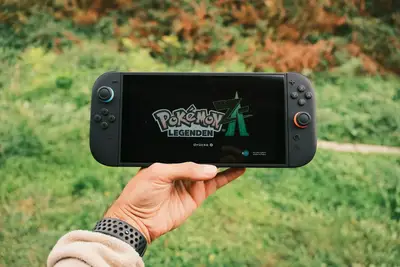
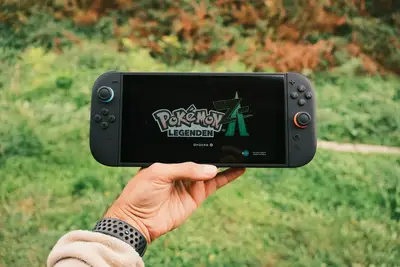
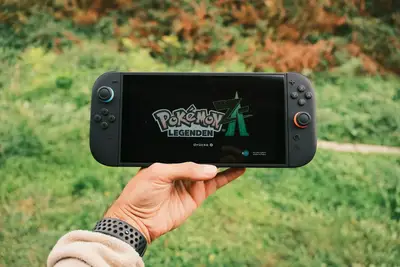
A Nintendo Switch user picks up their handheld, looking forward to playing with friends on much more powerful machines.
During the Electronic Entertainment Expo 2017 in June of that year, Nintendo announced that it would support cross-platform play between PC and Xbox One versions of both Rocket League and Minecraft on the Switch.
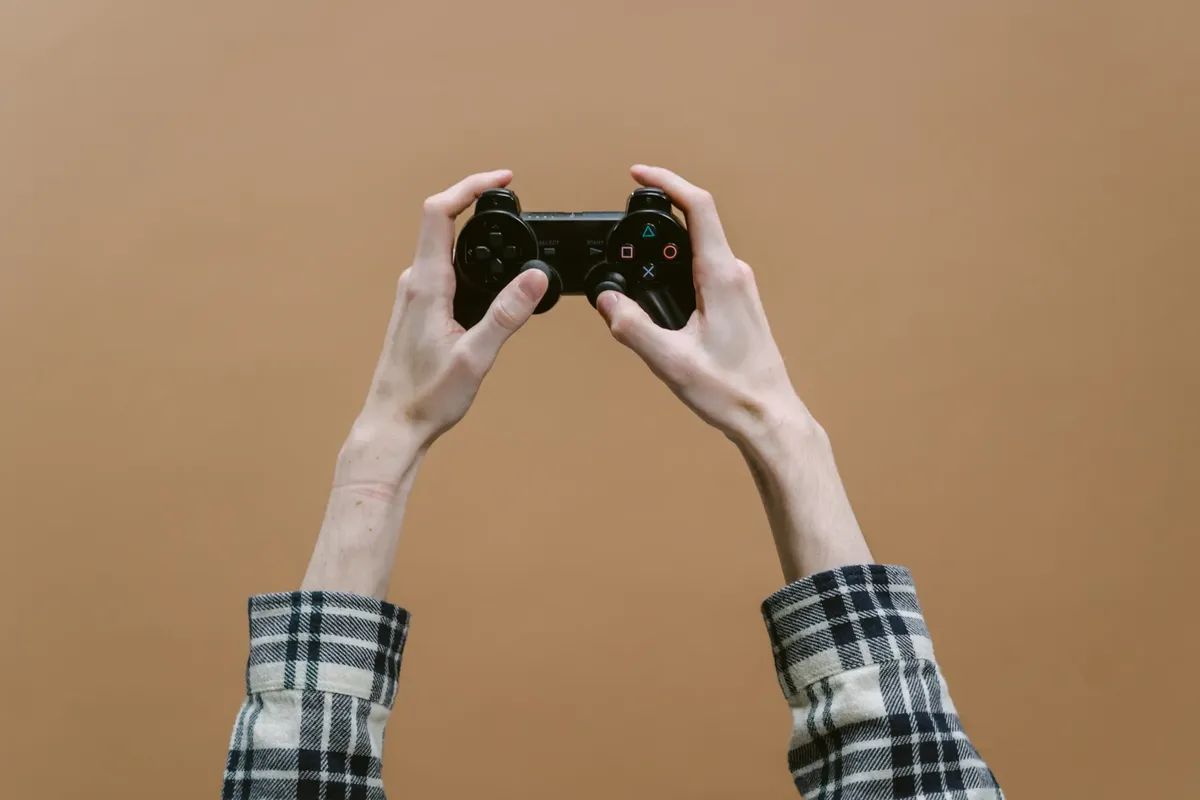
This move was a significant step for the Switch, as it aimed to bridge the gap between handheld gaming and traditional home setups. By allowing these specific titles to work across platforms, Nintendo addressed the needs of a diverse player base.
This type of multiplatform play support helped integrate the Switch into the broader gaming community.
The decision to support these specific titles showed a willingness to allow different hardware to coexist. While not every game offered this, the groundwork for cross-platform play was being laid through these strategic announcements.
It allowed players to transition between different gaming environments more easily.
What were the effects of Sony's restrictions?
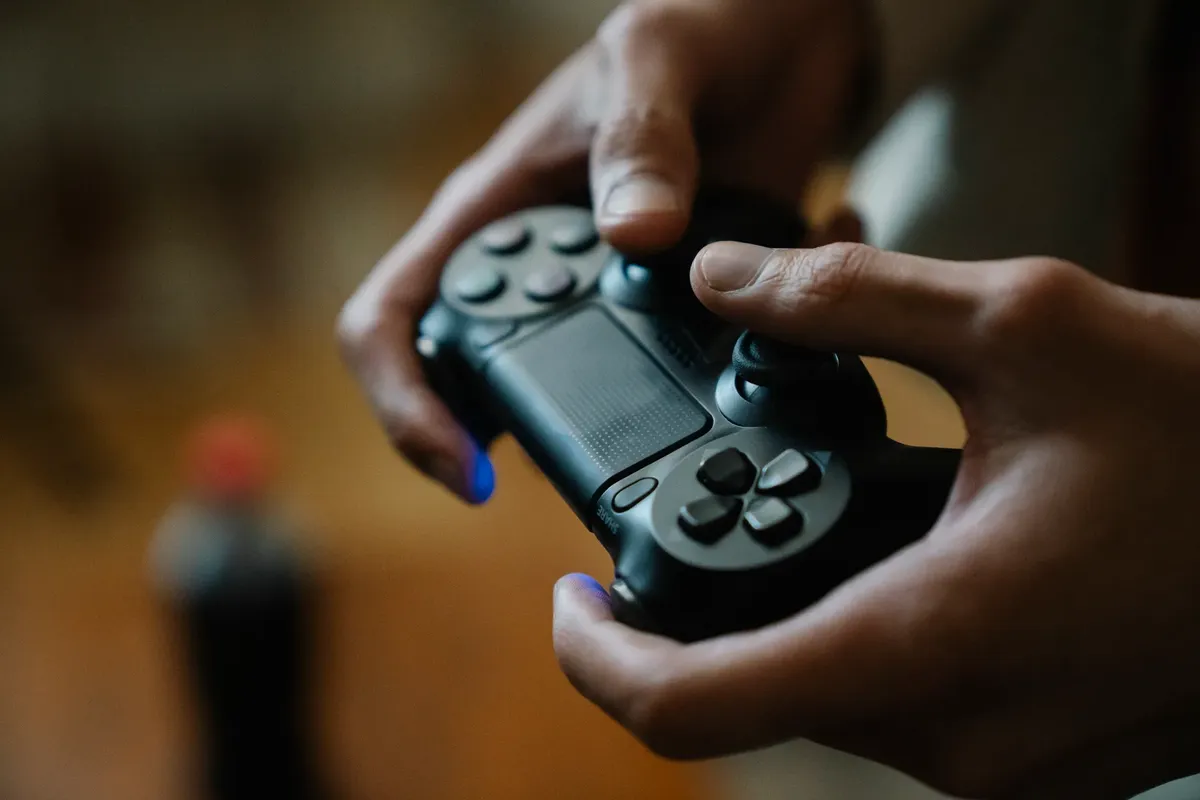
At dusk, I slumped into my chair in the darkened office, feeling the sting of disappointment over the lack of crossplay on my console.
A PlayStation 4 player looks at a group of friends on other consoles, knowing they cannot join the same match.
Up through September 2018, Sony Interactive Entertainment had restricted PlayStation 4 cross-platform play with other consoles, creating a rift between players of popular games like Rocket League and Fortnite Battle Royale.
This lack of connectivity created a noticeable divide in the gaming community. Players were often forced to choose between a specific console or losing contact with their friends. This era of gaming was characterized by these rigid boundaries.
The impact on popular titles was significant. Games that relied heavily on social interaction and competitive play suffered when players were split across different hardware. This friction highlighted the growing demand for more open gaming ecosystems.
How did Rocket League change the landscape?

A player waits for a beta update to arrive on their console, hoping for a new way to connect. Rocket League soon followed, with a beta cross-platform play option added to all versions in January 2019. This update changed how the game was played across various hardware.
The introduction of this beta was a turning point for the title. It allowed for a more unified player base, regardless of the device being used. This type of cross-platform play comparison showed how software could overcome hardware limitations.
By implementing these options, developers could reach a much wider audience. The ability to play across different versions of the same game was essential for maintaining a healthy player population. This move paved the way for future titles to follow similar paths.
How to navigate different gaming environments?
A gamer examines their library, deciding which platform to boot up for a specific session. When dealing with different ecosystems, players often follow a specific routine to ensure they can play with their intended group.
- Check the specific game's compatibility list to see which platforms can interact. 2. Verify if the game requires a specific social platform account to bridge the gap between hardware. 3. Confirm that all participating players are running compatible versions of the software.
A final check involves ensuring that the network environment is stable enough to handle the specific cross-platform requirements of the title. I remember checking these settings every time a new update was released to ensure my friends and I could still play together without interruption.
A limitation exists when hardware manufacturers maintain strict ecosystem boundaries, meaning crossplay support by platform is not universal for every game.
- Why did crossplay support by platform vary so much?
- How did Nintendo handle PC console crossplay?
- What were the effects of Sony's restrictions?
The same subject is also called PC console mobile crossplay.
The same subject is also called Game platform crossplay status.
The same subject is also called Crossplay comparison gaming.
This part also covers Why crossplay differs by platform.
This part also covers PC vs console crossplay issues.
This part also covers Mobile game crossplay trends.
Why crossplay differs by platform
Related




Comments 0