Sports game realism tech: Guide to simulation depth
"The evolution of digital competition has transformed from simple pixelated movements into complex systems that mirror professional athletic structures."
Understanding sports game realism tech requires looking at how simulation moves from screen interaction to physical movement and professional recognition. This guide examines the history of roster management, motion-based hardware, and the formal legitimization of competitive gaming.

We will cover hardware integration, roster depth, and the shift toward professional athlete status.
How did early roster management define sports game realism tech?
At a dim desk in the late eighties, a young man clicks a plastic button while feeling the heavy weight of choosing a sports team.
A player sits before a vintage console, scrolling through a list of names to build a championship team. In the late 1980s and early years of the 1990s, managing a full roster was a breakthrough in simulation depth.
According to Wikipedia, American football video games included Tecmo Bowl (1987), which was ported to the NES with the NFL Players Association license. Later, Tecmo Super Bowl (1991) introduced a season mode with nearly the entire NFL roster.
These developments allowed players to feel the weight of a full team rather than just a handful of characters.
The ability to manage a complete roster provided a sense of scale that was previously missing. This kind of sports simulation tech laid the groundwork for modern management-heavy titles.
Can new hardware make sports sims feel more real? A person stands in a living room, balancing carefully on a specialized platform to complete a digital task. Moving beyond the controller, hardware designed to track physical movement changed how players interact with virtual environments.
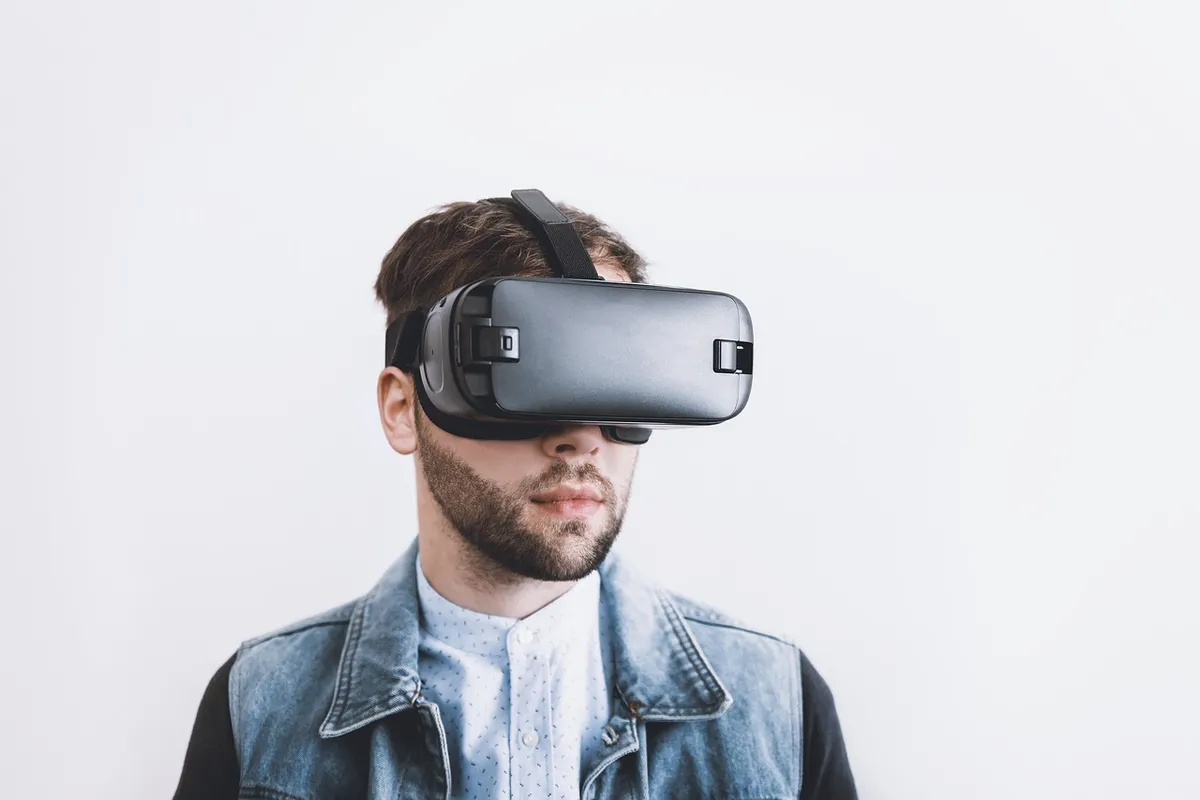
In 2008, Nintendo released Wii Fit, which allowed players to do aerobic and fitness exercises using the Wii Balance Board. Third-party developers also designed games using the Board, such as the skiing game We Ski.
This era showed that high realism gaming could involve the player's own physical balance.
By incorporating physical movement, developers bridged the gap between digital input and real-world exertion. This approach turned gaming into a more active, kinetic experience.
Did pro gaming change how sports sims are built? An esports player prepares for a match, much like a traditional athlete preparing for a stadium event. The conversation around whether gaming is a true sport often centers on the rigor of professional competition.
In 2015, during the World Championship hosted by the International Esports Federation, an esports panel of guests from international sports society discussed the future recognition of esports as a legitimate sport.
This dialogue highlighted how the industry views itself compared to traditional athletics.
The recognition of these activities as legitimate sports is an ongoing global discussion. Such shifts in perception affect how developers approach the authenticity of their simulations.
How did legal recognition impact the status of professional players?

A professional gamer travels across borders, carrying documentation that recognizes their skill as an athletic achievement. Legal frameworks have begun to catch up with the reality of high-level digital competition.
On 7 July 2016, The Ministry of Sport decided to add cybersport into the sport registry, and on 13 April 2017, esports became an official sport discipline once again.
These legal milestones validate the skill required to compete at the highest levels. This professionalization drives the demand for more sophisticated and realistic simulation tools.
What are the steps to understanding professional gaming legitimacy?
A researcher looks through historical records to categorize the rise of competitive gaming. To understand how these games transitioned from hobbies to professional disciplines, one must follow a specific logical path.
- Examine the transition from simple arcade games to complex roster-based season modes. 2. Analyze the integration of motion-sensing hardware that mimics physical fitness. 3. Review the legal and regulatory changes that classify players as professional athletes.
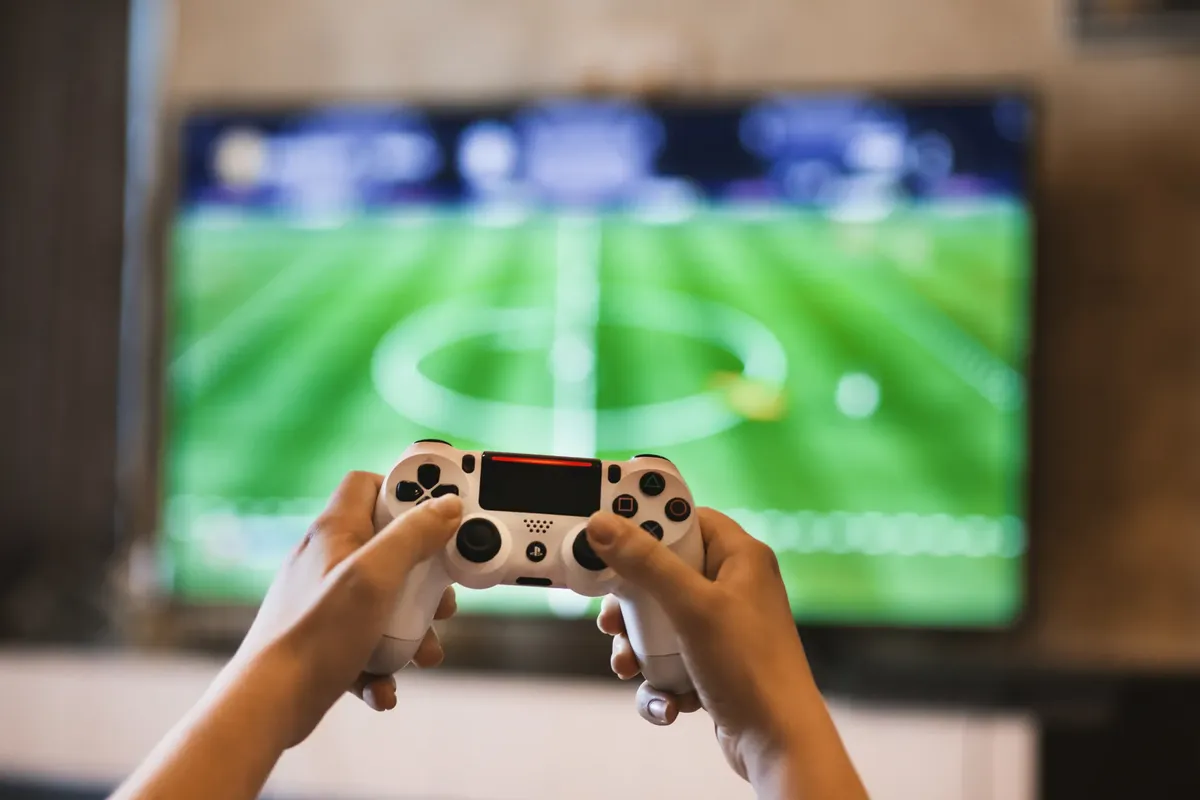
I observed how these different layers of development—from software to hardware to law—all work together to build a sense of reality.
The limitation of this analysis is that it focuses on historical milestones and legal definitions rather than specific real-time graphical engine comparisons.
The same subject is also called Simulating sports feel.
The same subject is also called Game reality enhancement.
This part also covers Advanced sports simulation.
This part also covers Improving game realism.
This part also covers Next gen sports tech.
Advanced sports simulation
Related
- AI in game dev efficiency: Tips for managing rising costs
- Game story choice immersion: Guide to deep narrative impact
How does the evolution of digital competition relate to hardware advancements? 1. The integration of motion-based hardware offered a direct comparison to the tactile experience of athletic performance. 2. The Wii Fit demonstrated how player exertion could feed into the digital environment, moving beyond simple button presses. 3. This hardware evolution complemented the depth provided by early roster management systems.
The evolution of digital competition shows a progression where software complexity meets physical interaction. Early roster management established the scope of the simulation, while motion hardware defined the physical engagement.
This combination enhanced the perceived realism of the digital experience.
What conditions necessitate the formalization of esports? 1. The need for legal recognition arose as the skill level in digital competition approached that of traditional athletics. 2. The discussions held at the International Esports Federation highlighted the industry's push for legitimacy. 3. These external pressures drove the legal milestones that validated professional gamer status.
The condition for professional status is often tied to external validation from governing bodies. Legal frameworks provide the necessary structure to acknowledge the dedication required for high-level digital competition.
This formalization impacts how developers approach the authenticity of their digital simulations.








Comments 0